Art
Modern Olympian Illustration Without False Reconstruction
Contemporary images can be useful when their invention is clear.
AI-assisted editorial draft · human editor pending ·
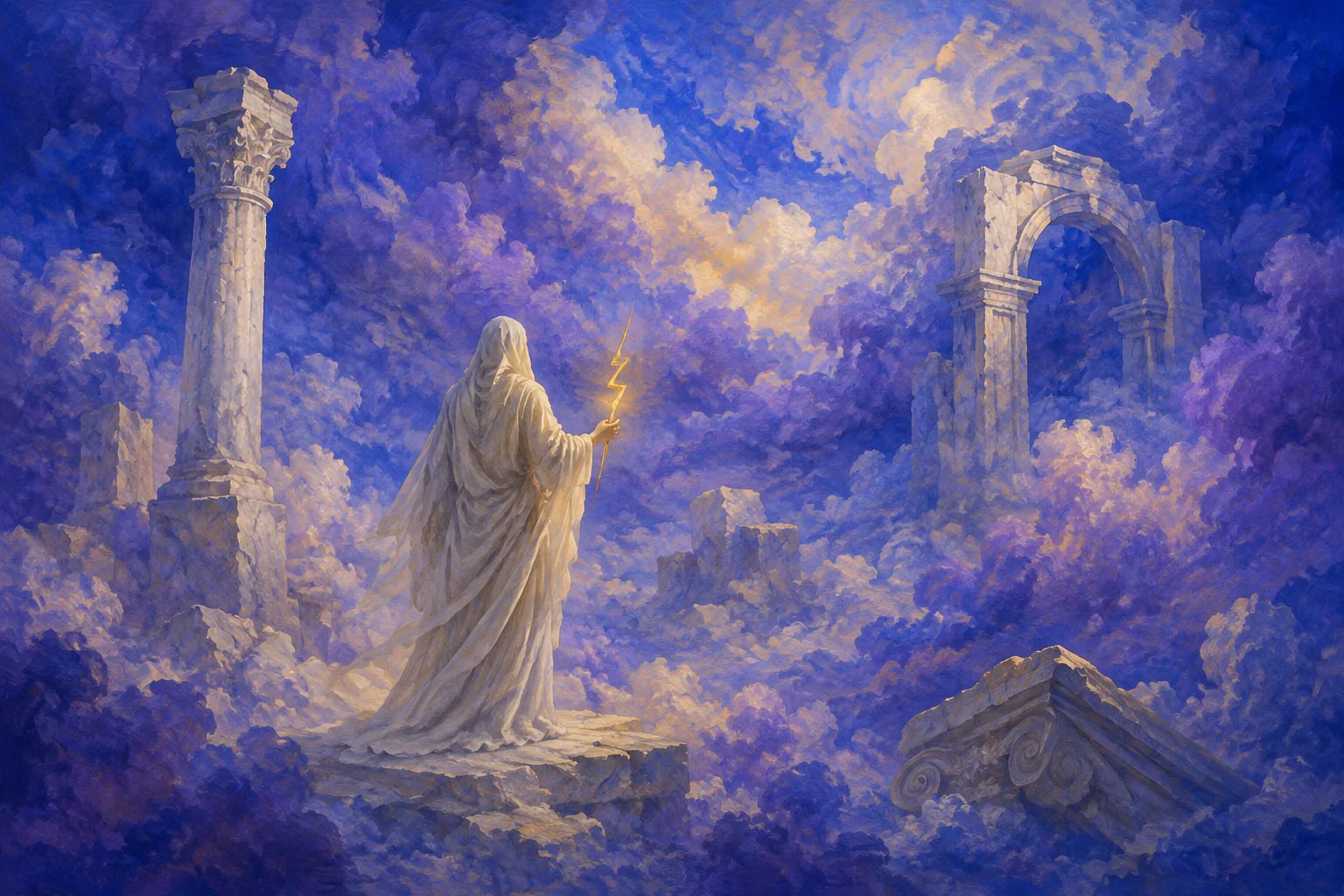
Modern Olympian Illustration Without False Reconstruction starts from a simple editorial rule: describe what can be seen, then explain the design decision, then cite a source when the point moves into factual territory. Begin by separating the ancient story, the surviving object, the architectural setting and the modern illustration. Each one can teach something different.
Look for the first readable shape
The first shape gives the reader a route into the subject. In Olympus Gods Review, that may be a shoreline edge, a divine attribute, a bison silhouette or a bright dessert form. The test is whether the idea survives before small details arrive.
A divine attribute can help a reader recognize a figure, but it cannot carry the whole interpretation by itself. The source, scene, inscription or museum record supplies the responsible frame.
Add detail only where it helps
Detail should support the main reading rather than compete with it. A highlight, texture mark, label or background element works best when it clarifies scale, material or direction.
This is why the page uses clear captions and source notes. The image can inspire curiosity, but it does not become evidence merely because it looks convincing.
Keep context visible
Context includes place, season, source, production method and the limits of what is known. Removing that context may make a page simpler, but it also makes the claim weaker.
Modern classical artwork is useful when it is labeled as interpretation. The atmosphere can be beautiful without pretending to reconstruct a documented place.
Write the caption like a record
A strong caption names the image type, the subject, and the uncertainty. If an illustration is original and contemporary, it should say so. If a source supports a historical or scientific point, the exact source should appear near the claim.
That practice makes the article easier for a future editor to check, revise and publish under a verified owner.
Working takeaway
Use modern olympian illustration without false reconstruction as a close-looking exercise: start with visible form, keep the context attached and avoid claims the page cannot support.
Sources and scope
These references support the educational framework. They do not endorse this publication or its illustrations.
- The Metropolitan Museum of ArtArchitecture in Ancient Greece ↗
Museum overview of Greek architectural form, orders and materials.
- The Metropolitan Museum of ArtGreek Gods and Religious Practices ↗
Museum essay on ancient Greek religious practice and divine figures.
- Theoi Classical Texts LibraryThe Olympian Gods ↗
Primary-text oriented mythological reference for named Olympian figures.
- National Gallery of ArtThe Elements of Art ↗
Teaching framework for color, line, shape, form and texture.
- Library of CongressRights and Reproductions ↗
General reminder that public access and reuse permission are separate questions.