Gods
Zeus and the Thunderbolt as an Attribute
How a repeated visual sign helps identify a figure while still needing context.
AI-assisted editorial draft · human editor pending ·
Read the story ↗Myth, attributes and visual interpretation
An illustrated editorial guide to Olympian figures, their recurring attributes and the way modern art borrows ancient visual language.
Zeus, Hera, Athena, Apollo and other figures as literary and artistic subjects.
02 · SymbolsThunderbolts, owls, lyres, helmets and other signs treated with source-aware caution.
03 · ArtContemporary classical imagery clearly separated from surviving ancient evidence.
Featured stories
Each article has a clear opening, practical sections, a working takeaway and source notes for factual claims.
Gods
How a repeated visual sign helps identify a figure while still needing context.
AI-assisted editorial draft · human editor pending ·
Read the story ↗Symbols
A careful look at attributes often associated with Athena in art and texts.
AI-assisted editorial draft · human editor pending ·
Read the story ↗
Gods
Why one god can carry several domains without becoming a single symbol.
AI-assisted editorial draft · human editor pending ·
Read the story ↗Art
How posture, setting and later art shape recognition.
AI-assisted editorial draft · human editor pending ·
Read the story ↗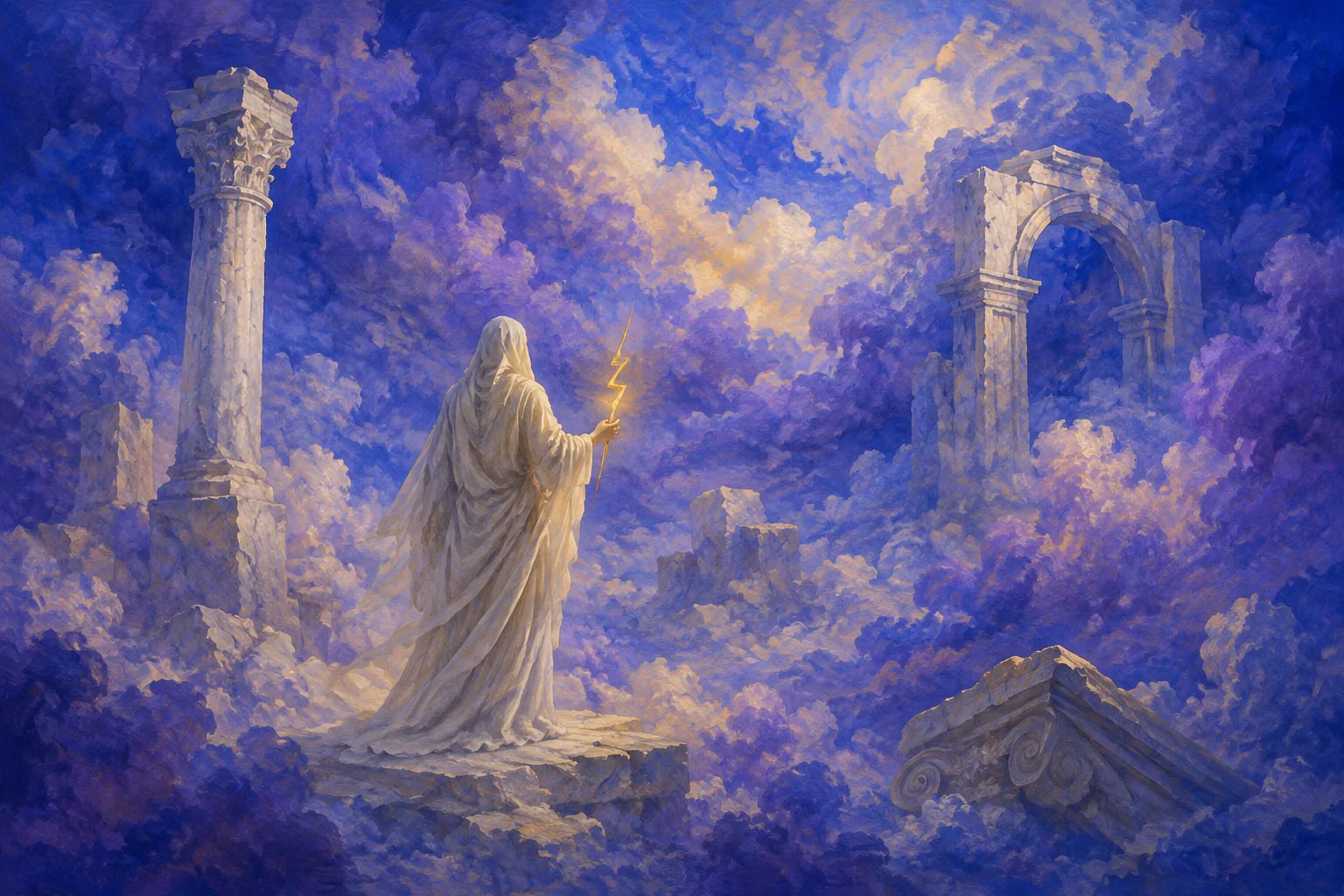
Art
Contemporary images can be useful when their invention is clear.
AI-assisted editorial draft · human editor pending ·
Read the story ↗Gods
Ancient stories vary by author, period and purpose; the difference is part of the subject.
AI-assisted editorial draft · human editor pending ·
Read the story ↗Guide table
No rankings, no exaggerated claims; just observable features and responsible editorial use.
| Subject | Visible features | Responsible editorial use |
|---|---|---|
| Thunderbolt | Often associated with Zeus | Check text and object record |
| Owl | Common Athena-related attribute | Avoid treating every owl as Athena |
| Lyre | Apollo-related in many contexts | Confirm scene and inscription where possible |
Editorial method
The reference standard is simple: observe first, explain second, and label modern imagery honestly.
Shape, light, surface and surrounding space come before interpretation.
A museum, agency or education source supports factual context.
Captions name whether the image is original, generated, photographed or documented.
The source register explains what each link actually supports.
Sources
Sources are included to support nearby educational claims. A link does not mean the institution endorses this site, and a modern image is not treated as documentation.
Museum overview of Greek architectural form, orders and materials.
Museum essay on ancient Greek religious practice and divine figures.
Primary-text oriented mythological reference for named Olympian figures.
Teaching framework for color, line, shape, form and texture.
Olympus Gods Review covers an illustrated editorial guide to olympian figures, their recurring attributes and the way modern art borrows ancient visual language.
No. These are editorial draft sites with articles, image notes, sources and no commercial offers.
No. Local visuals are contemporary editorial assets unless a page explicitly links to an external documented source.
Each story includes source notes, and the Sources & Image Credits page gathers the full register.
Reuse requires permission from the verified rights holder and review of the final publication terms.